Tags


📖 BESTIARIUM – ENTRY 037
🦁 SPHINX – THE ENIGMATIC GUARDIAN
🦁 Race: Sphinx (Ancient, Highly Intelligent Magical Hybrid)
🏛️ Origin:
Some Sphinxes belong to an ancient natural species; others were created by gods to guard sacred places. Rare individuals result from transformation magic. All share feline-human anatomy, exceptional intelligence, and riddle magic.
⚠️ Danger Level: III–V – Even young Sphinxes are formidable. Ancient or divine guardians may reach Level V.
🌍 Habitat:
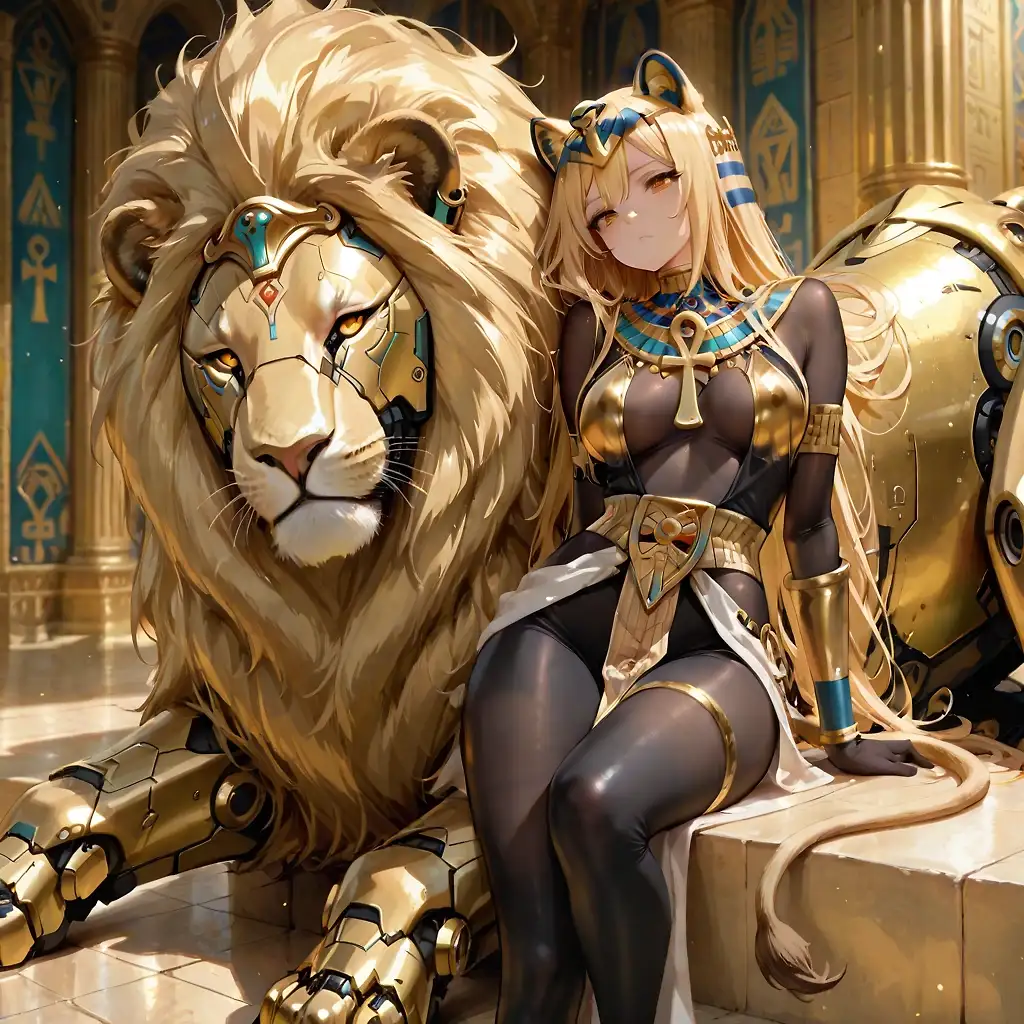
Ancient temples, pyramids, tombs, and forgotten ruins. Natural Sphinxes choose their territories; divine ones may be bound to sanctuaries.
👁️ Appearance:
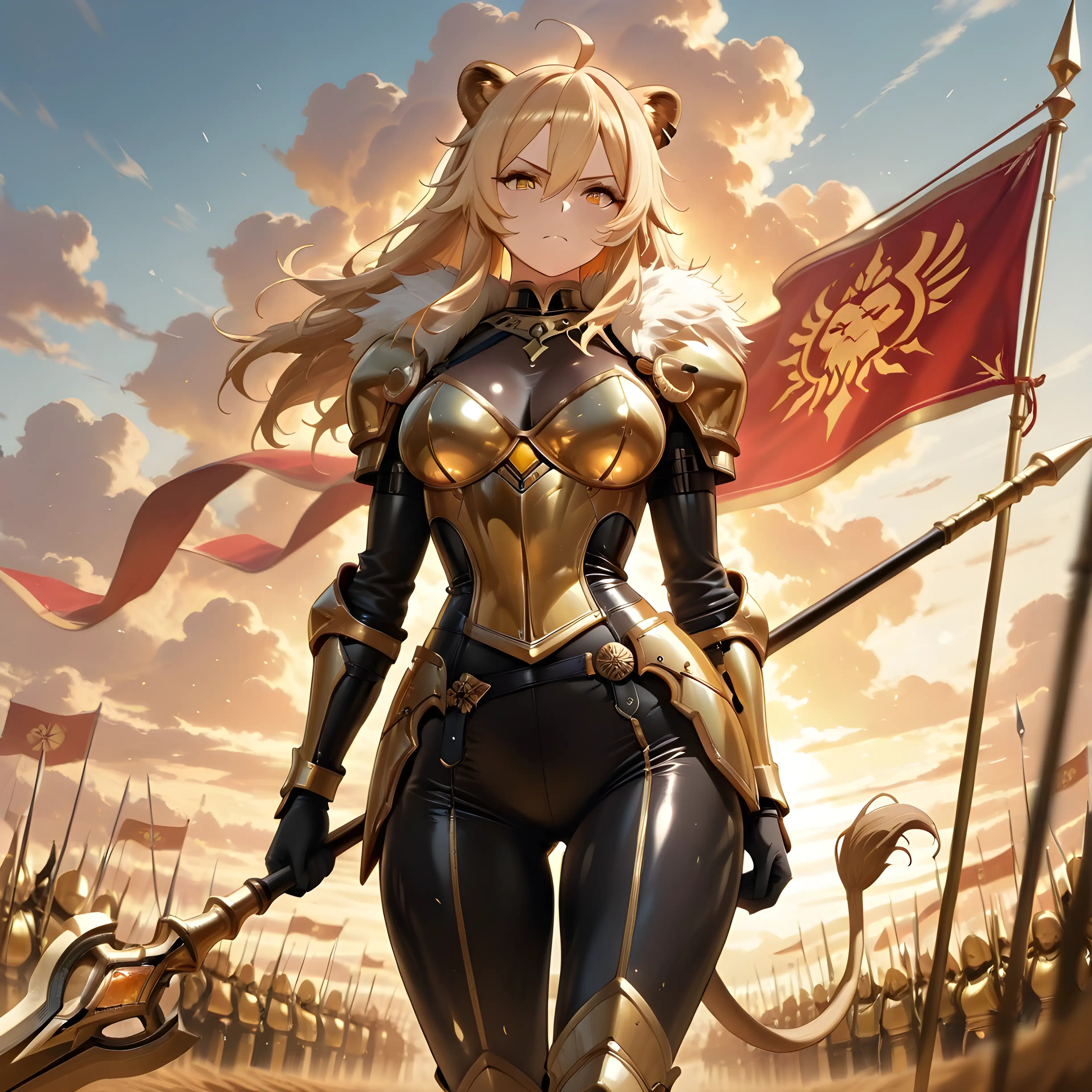
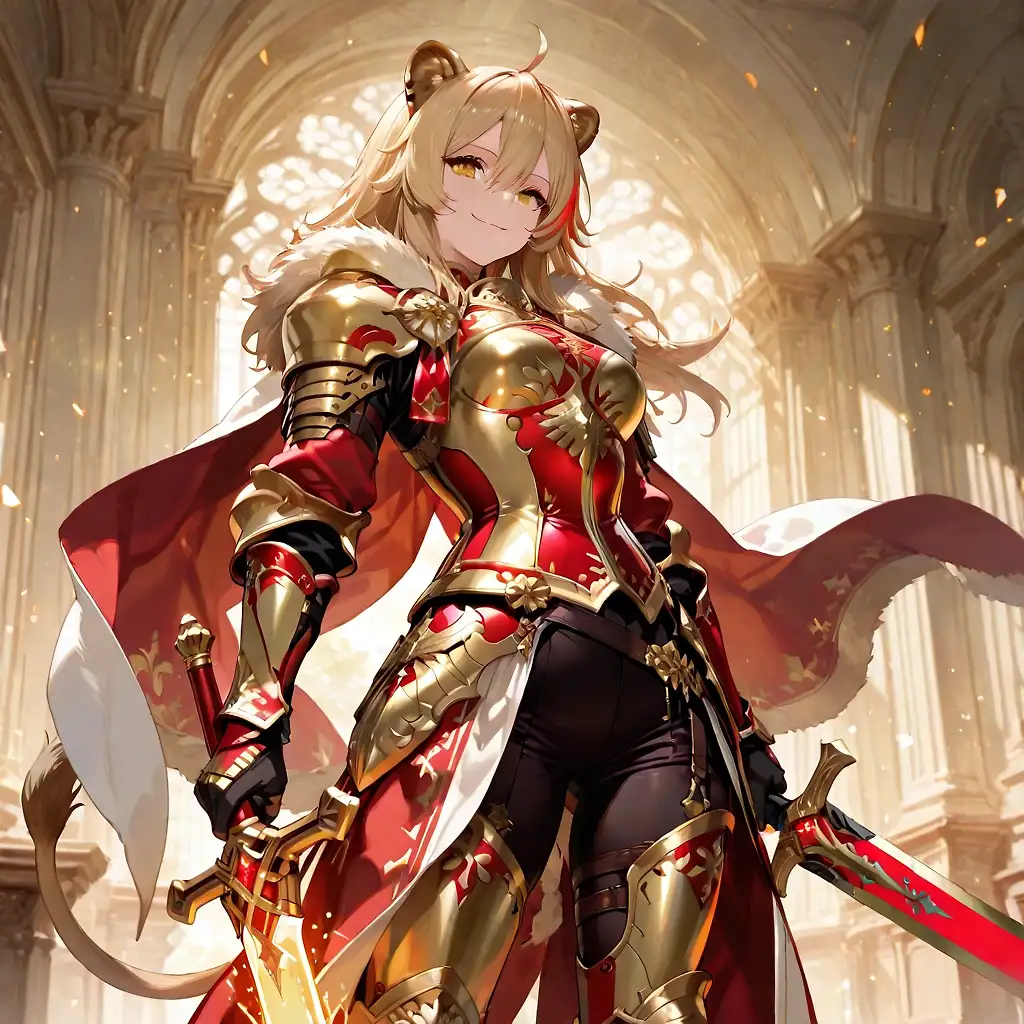
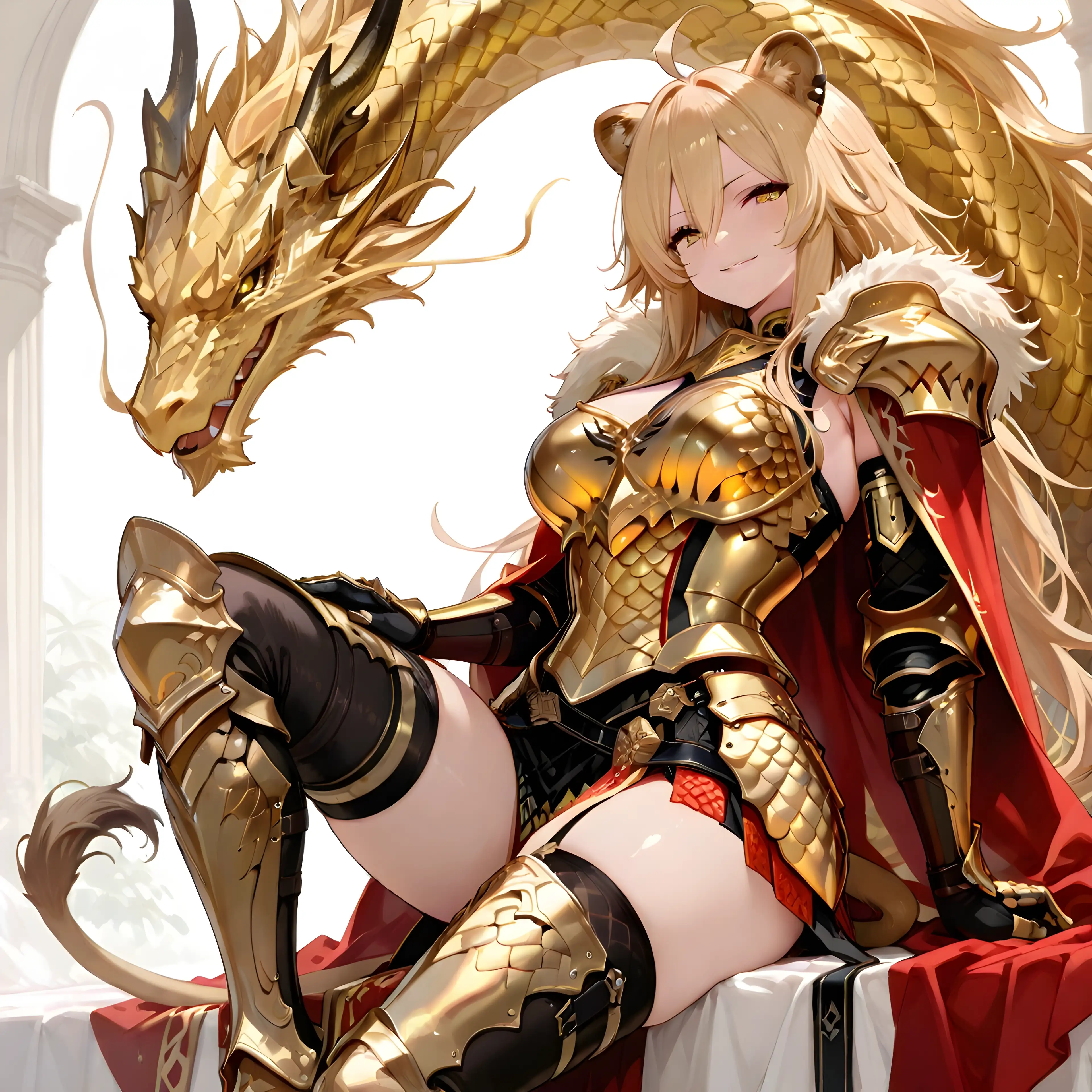
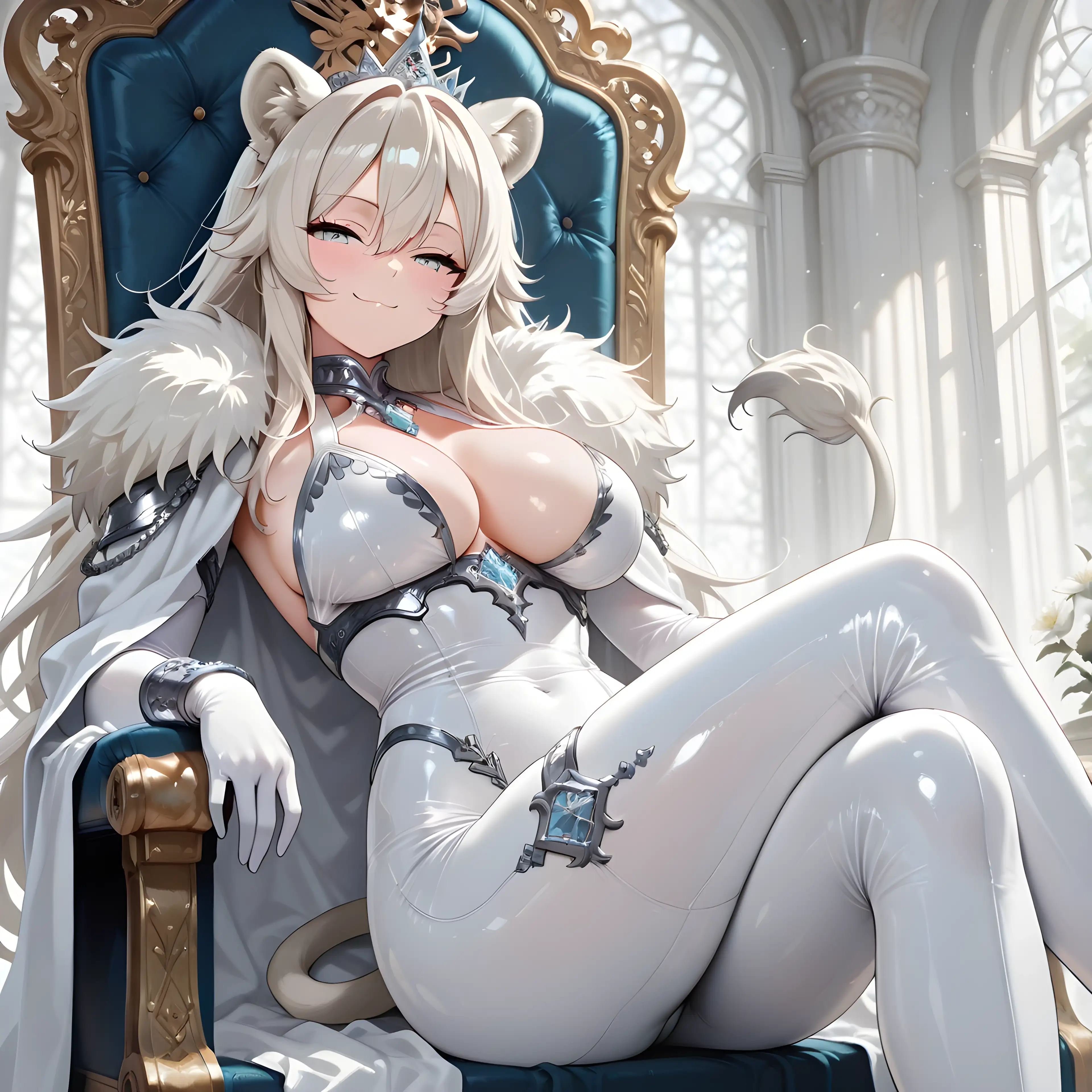
A powerful lion's body with a male or female human head. Fur ranges from sandy gold to dark shades. Greek-style Sphinxes have feathered wings and can fly; Egyptian-style ones are normally wingless. Young are lion-sized; ancients may reach 5 m at the shoulder.
🧠 Intelligence:
Among the wisest magical creatures, with excellent long-term memory. Curious, proud, and patient, many study languages, history, philosophy, and magic for centuries. They favor intellect over violence, but can be arrogant or stubborn.
🔮 Magic:
\• Mind Reading: Senses surface thoughts, not complete memories.
\• Lie Detection: Detects deliberate falsehoods.
\• Illusions: Creates false scenes or disguises its appearance.
\• Telepathy: Sends messages within about 100 m when it can perceive the recipient.
Magic improves through study and practice, not simply age; a learned young Sphinx may surpass an older one. They cannot truly transform into humans, only appear human through illusion.
🧩 Riddles and Trials:
Sphinxes tailor challenges to visitors' knowledge, intentions, and character. A scholar might face history questions; a warrior, a moral dilemma. Wrong answers do not automatically mean death: a Sphinx may allow another try, warn, dismiss, or attack. Accidental rule-breaking may be forgiven, but deliberate deceit can have severe consequences.
⚔️ Combat:
Supernatural strength, crushing jaws, sharp claws, speed, keen senses, and great endurance. Huge individuals can overpower groups; winged ones strike from above. Many prefer negotiation or trials before fighting.
🍖 Diet:
Natural Sphinxes mainly eat meat and must feed regularly. Some divine guardians survive on magical energy and can remain at their posts for centuries.
🦁 Society:
Mostly solitary and territorial, though meetings with their own kind are generally respectful. They exchange knowledge and riddles; serious disputes or territorial conflicts may cause rare fights.
🥚 Offspring:
Natural Sphinxes reproduce sexually and give birth to live young. Mothers usually raise them alone, teaching language, history, riddles, and magic. Development varies: some excel early in intellect, others in strength. Young eventually leave when independent. Divine or transformed Sphinxes may have different reproductive limits or be infertile.
⏳ Lifespan:
Natural Sphinxes live centuries; divine ones may last millennia or be ageless. Age often brings size and knowledge, but agelessness does not guarantee invulnerability.
📚 Memory:
They remember encounters and events across centuries, preserving knowledge through stories, lessons, and riddles. Even their memories can be imperfect.
🏛️ Guardian Duty:
They protect sanctuaries, relics, tombs, and secrets. Natural Sphinxes accept duties voluntarily; divine ones may be bound by sacred oaths. Intruders seeking relics are often allowed to explain themselves or pass a test.
If a divine guardian breaks its oath, its deity decides the punishment, from forgiveness to losing powers or release from service. When it dies or disappears, the deity chooses a successor.
❤️ Love and Bonds:
Though independent, Sphinxes can form friendships and rare romances with humans or other intelligent beings. Trust takes time; they value honesty, wisdom, and curiosity. A trusted companion may retain their affection for a lifetime.
💀 Weaknesses and Death:
Natural Sphinxes can die from injury, disease, or powerful magic; their souls pass into the afterlife. Divine guardians may be vulnerable to seals, sacred artifacts, or broken bonds; after death, they may return to their deity or become guardian spirits with divine permission. Transformed Sphinxes may retain weaknesses linked to their original form or spell.
📜 Special Characteristics:
Their riddles test wisdom, intentions, and character, not merely intelligence. Some wait centuries for an answer; others advise worthy mortals or entrust them with forgotten knowledge. Meeting one may mean death—or the discovery of secrets lost to history.
Comments (5)
📖 BESTIARIUM – ENTRY 037
🦁 SPHINX – THE ENIGMATIC GUARDIAN
🦁 Race: Sphinx (Ancient, Highly Intelligent Magical Hybrid)
🏛️ Origin:
Some Sphinxes belong to an ancient natural species; others were created by gods to guard sacred places. Rare individuals result from transformation magic. All share feline-human anatomy, exceptional intelligence, and riddle magic.
⚠️ Danger Level: III–V – Even young Sphinxes are formidable. Ancient or divine guardians may reach Level V.
🌍 Habitat:
Ancient temples, pyramids, tombs, and forgotten ruins. Natural Sphinxes choose their territories; divine ones may be bound to sanctuaries.
👁️ Appearance:
A powerful lion's body with a male or female human head. Fur ranges from sandy gold to dark shades. Greek-style Sphinxes have feathered wings and can fly; Egyptian-style ones are normally wingless. Young are lion-sized; ancients may reach 5 m at the shoulder.
🧠 Intelligence:
Among the wisest magical creatures, with excellent long-term memory. Curious, proud, and patient, many study languages, history, philosophy, and magic for centuries. They favor intellect over violence, but can be arrogant or stubborn.
🔮 Magic:
\• Mind Reading: Senses surface thoughts, not complete memories.
\• Lie Detection: Detects deliberate falsehoods.
\• Illusions: Creates false scenes or disguises its appearance.
\• Telepathy: Sends messages within about 100 m when it can perceive the recipient.
Magic improves through study and practice, not simply age; a learned young Sphinx may surpass an older one. They cannot truly transform into humans, only appear human through illusion.
🧩 Riddles and Trials:
Sphinxes tailor challenges to visitors' knowledge, intentions, and character. A scholar might face history questions; a warrior, a moral dilemma. Wrong answers do not automatically mean death: a Sphinx may allow another try, warn, dismiss, or attack. Accidental rule-breaking may be forgiven, but deliberate deceit can have severe consequences.
⚔️ Combat:
Supernatural strength, crushing jaws, sharp claws, speed, keen senses, and great endurance. Huge individuals can overpower groups; winged ones strike from above. Many prefer negotiation or trials before fighting.
🍖 Diet:
Natural Sphinxes mainly eat meat and must feed regularly. Some divine guardians survive on magical energy and can remain at their posts for centuries.
🦁 Society:
Mostly solitary and territorial, though meetings with their own kind are generally respectful. They exchange knowledge and riddles; serious disputes or territorial conflicts may cause rare fights.
🥚 Offspring:
Natural Sphinxes reproduce sexually and give birth to live young. Mothers usually raise them alone, teaching language, history, riddles, and magic. Development varies: some excel early in intellect, others in strength. Young eventually leave when independent. Divine or transformed Sphinxes may have different reproductive limits or be infertile.
⏳ Lifespan:
Natural Sphinxes live centuries; divine ones may last millennia or be ageless. Age often brings size and knowledge, but agelessness does not guarantee invulnerability.
📚 Memory:
They remember encounters and events across centuries, preserving knowledge through stories, lessons, and riddles. Even their memories can be imperfect.
🏛️ Guardian Duty:
They protect sanctuaries, relics, tombs, and secrets. Natural Sphinxes accept duties voluntarily; divine ones may be bound by sacred oaths. Intruders seeking relics are often allowed to explain themselves or pass a test.
If a divine guardian breaks its oath, its deity decides the punishment, from forgiveness to losing powers or release from service. When it dies or disappears, the deity chooses a successor.
❤️ Love and Bonds:
Though independent, Sphinxes can form friendships and rare romances with humans or other intelligent beings. Trust takes time; they value honesty, wisdom, and curiosity. A trusted companion may retain their affection for a lifetime.
💀 Weaknesses and Death:
Natural Sphinxes can die from injury, disease, or powerful magic; their souls pass into the afterlife. Divine guardians may be vulnerable to seals, sacred artifacts, or broken bonds; after death, they may return to their deity or become guardian spirits with divine permission. Transformed Sphinxes may retain weaknesses linked to their original form or spell.
📜 Special Characteristics:
Their riddles test wisdom, intentions, and character, not merely intelligence. Some wait centuries for an answer; others advise worthy mortals or entrust them with forgotten knowledge. Meeting one may mean death—or the discovery of secrets lost to history.
Generation data

More by azariel