Tags


📖 BESTIARIUM – ENTRY 012
🦇 VAMPIRE – THE IMMORTAL BLOOD HUNTER
🦇 Race: Vampire (Blood Drinker / Night Creature / Undead)
🏛️ Origin: European folklore, especially Eastern European traditions. Ancient blood magic sustains vampires, who may be born or transformed through rituals.
⚠️ Danger Level: II–V – Low to extreme, depending on bloodline, age, powers, and bloodlust.
🌿 Habitat:
Castles, mansions, catacombs, caves, and underground sanctuaries. Many live secretly in human cities. Powerful families control estates, territories, or entire settlements.
🍷 Diet:
Blood sustains their powers and regeneration. Human blood is especially nourishing; animal blood is a weaker substitute. Vampires may hunt or rely on willing donors. Some bloodlines can eat ordinary food. Prolonged starvation leads to weakness, loss of control, and eventual torpor.
Victims need not die. Peaceful communities maintain voluntary donor networks, while predatory clans treat mortals as prey.
⚔️ Strengths:
- Superhuman strength, speed, and reflexes
- Night vision and heightened senses
- Rapid healing and little or no aging
- Hypnosis and mind influence in some bloodlines
- Bat, mist, or shadow transformations in powerful vampires
- Rare blood and shadow magic
- Greater physical power at night
🛡️ Weaknesses:
- Sunlight effects vary by bloodline
- Fire causes severe, slow-healing wounds
- Blood deprivation weakens body and mind
- Holy objects and sacred places repel some bloodlines
- Silver is poisonous to certain vampires
- Severe heart injuries may be fatal
- Decapitation is among the surest ways to destroy them
☀️ Sunlight:
Ordinary vampires may suffer terrible burns, while others are merely weakened. Rare resistant bloodlines can walk by day but lose most supernatural powers.
🩸 Subspecies:
- Common Vampire (II–III): The most widespread kind. Superhuman abilities, regeneration, strong bloodlust, and often severe sunlight sensitivity.
- Noble Vampire (III–IV): Ancient bloodlines with hypnosis, blood magic, and refined self-control. Many withstand brief sunlight exposure.
- Shadow Vampire (III–IV): Silent nocturnal hunters who manipulate shadows; greatly weakened by direct sunlight.
- Blood Mage (IV): Uses blood to create weapons, barriers, and curses. Power depends on available blood.
- Vampire Lord (V): Ancient rulers with exceptional powers, dangerous even to dragons.
🏰 Society and Politics:
Vampires live alone or in families, clans, and noble houses. Rank depends on ancestry, age, magical power, and political influence. Some communities forbid reckless hunting and killing; others regard mortals as livestock.
Great houses wage centuries-long power struggles, using marriage, intrigue, and betrayal. Vampires can also form genuine friendships and love across species.
❤️ Blood Bond – The Eternal Promise:
Two beings may voluntarily exchange a little blood to form a magical bond, even across species. Partners can sense each other's presence and strong emotions; the vampire recognizes their beloved's unique blood. Powerful bonds may warn of danger or injury from afar. Some vampires drink only their beloved's blood afterward.
A consensual bond deepens intimacy but grants neither partner control. It can last centuries, and loss brings immense grief. It does not make a mortal immortal.
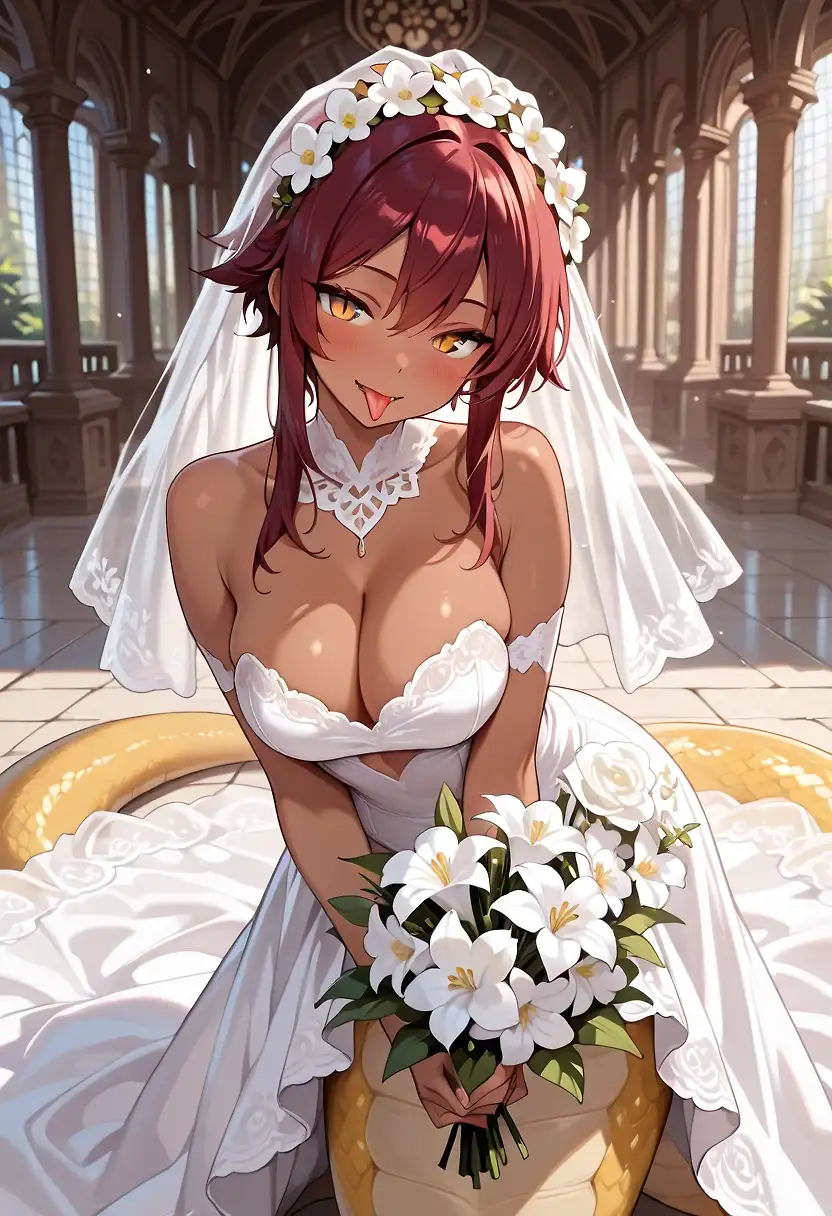
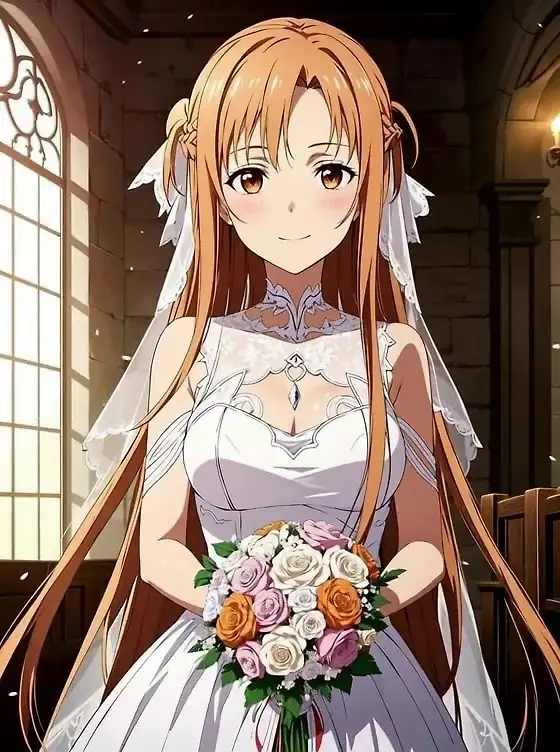
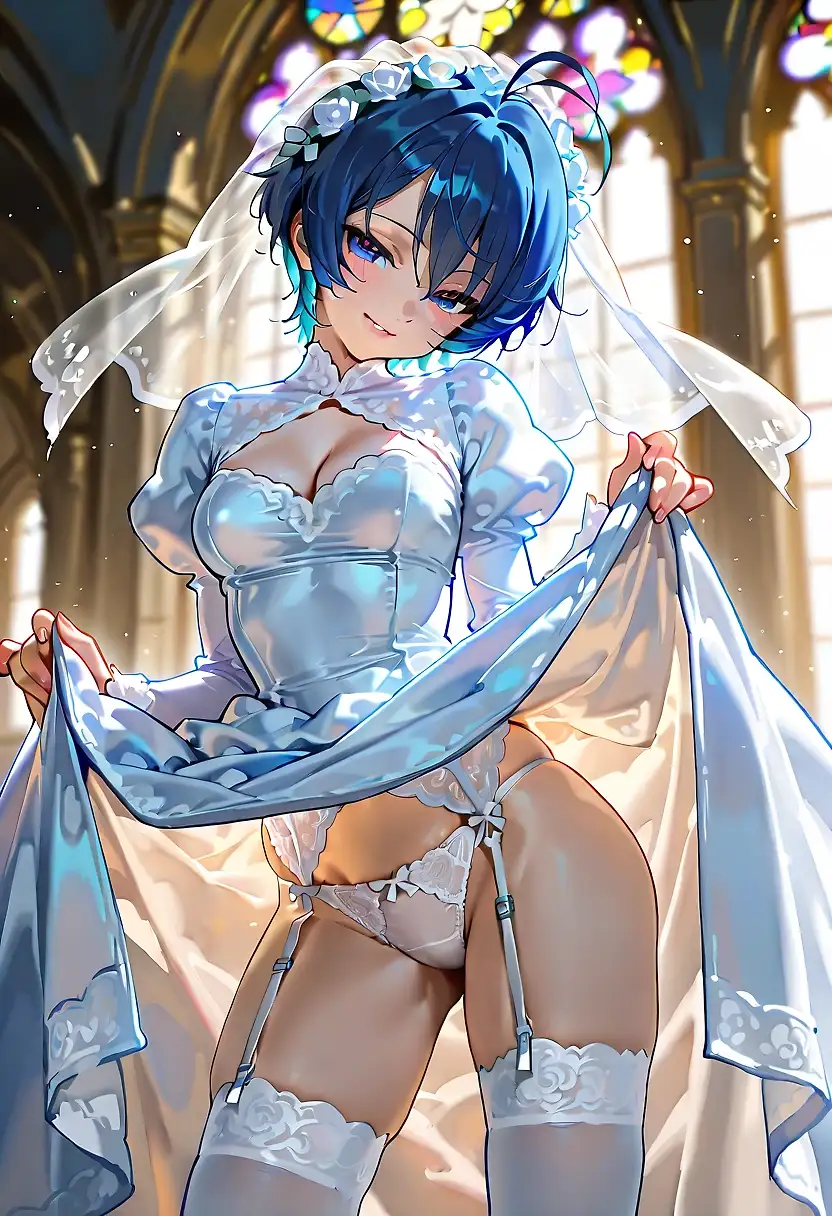
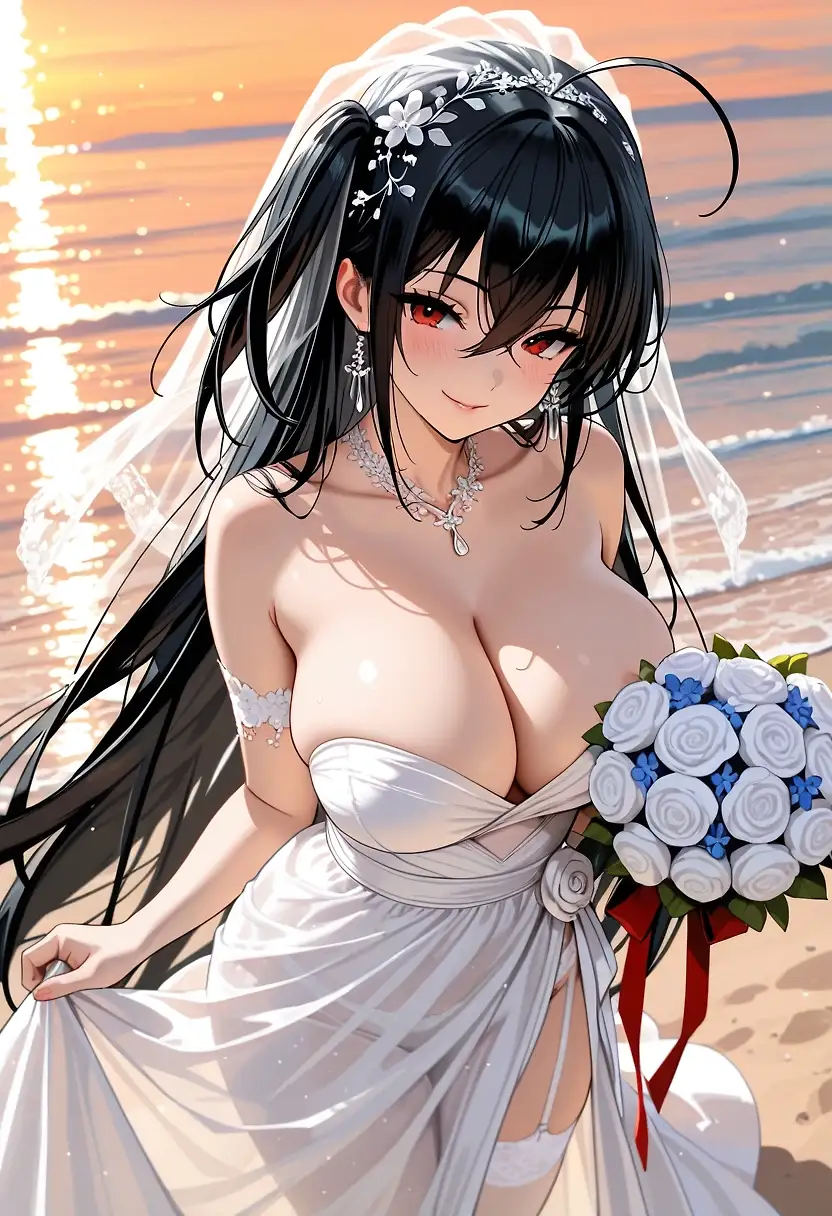
💍🩸 Blood Wedding – A Union of Blood and Power:
A major vampire ritual, especially among nobles. Blood weddings may secure alliances, end feuds, preserve bloodlines, or claim territories.
- Wedding of Love: Two lovers freely seal a blood bond, honored as a sacred vow of loyalty.
- Political Blood Wedding: Families arrange marriages to gain power. Partners may face pressure, threats, or forced rituals.
- Forced Blood Wedding: A cruel ritual binds at least one unwilling partner. It may cause pain, magical dependence, or reduced freedom. Controversial even among vampires, it persists within ruthless dynasties.
These weddings underpin peace treaties, succession claims, spying, hostage-taking, and court intrigues. Some arranged partners eventually fall in love; others remain enemies for centuries. Magic can force a bond, never genuine love.
A blood bond is the magical connection; a blood wedding is the ceremony sealing it. Not every bond needs a wedding, but traditional blood weddings include a blood ritual.
🌙 Birth and Transformation:
Born vampires inherit their nature; purebloods descend from ancient families. Turned vampires arise through a specific ritual combining a bite with vampiric blood magic. Most bites only serve feeding. Peaceful clans require consent; cruel ones sometimes force transformations to expand their power.
📜 Researcher's Report:
“Vampires are more than bloodthirsty hunters. Their ancient culture makes blood a promise of love and a weapon of power. Behind splendid weddings hide feuds, intrigues, and invisible chains. Not every union joins two hearts; some merely bind two rival thrones.”
Comments (6)
📖 BESTIARIUM – ENTRY 012
🦇 VAMPIRE – THE IMMORTAL BLOOD HUNTER
🦇 Race: Vampire (Blood Drinker / Night Creature / Undead)
🏛️ Origin: European folklore, especially Eastern European traditions. Ancient blood magic sustains vampires, who may be born or transformed through rituals.
⚠️ Danger Level: II–V – Low to extreme, depending on bloodline, age, powers, and bloodlust.
🌿 Habitat:
Castles, mansions, catacombs, caves, and underground sanctuaries. Many live secretly in human cities. Powerful families control estates, territories, or entire settlements.
🍷 Diet:
Blood sustains their powers and regeneration. Human blood is especially nourishing; animal blood is a weaker substitute. Vampires may hunt or rely on willing donors. Some bloodlines can eat ordinary food. Prolonged starvation leads to weakness, loss of control, and eventual torpor.
Victims need not die. Peaceful communities maintain voluntary donor networks, while predatory clans treat mortals as prey.
⚔️ Strengths:
- Superhuman strength, speed, and reflexes
- Night vision and heightened senses
- Rapid healing and little or no aging
- Hypnosis and mind influence in some bloodlines
- Bat, mist, or shadow transformations in powerful vampires
- Rare blood and shadow magic
- Greater physical power at night
🛡️ Weaknesses:
- Sunlight effects vary by bloodline
- Fire causes severe, slow-healing wounds
- Blood deprivation weakens body and mind
- Holy objects and sacred places repel some bloodlines
- Silver is poisonous to certain vampires
- Severe heart injuries may be fatal
- Decapitation is among the surest ways to destroy them
☀️ Sunlight:
Ordinary vampires may suffer terrible burns, while others are merely weakened. Rare resistant bloodlines can walk by day but lose most supernatural powers.
🩸 Subspecies:
- Common Vampire (II–III): The most widespread kind. Superhuman abilities, regeneration, strong bloodlust, and often severe sunlight sensitivity.
- Noble Vampire (III–IV): Ancient bloodlines with hypnosis, blood magic, and refined self-control. Many withstand brief sunlight exposure.
- Shadow Vampire (III–IV): Silent nocturnal hunters who manipulate shadows; greatly weakened by direct sunlight.
- Blood Mage (IV): Uses blood to create weapons, barriers, and curses. Power depends on available blood.
- Vampire Lord (V): Ancient rulers with exceptional powers, dangerous even to dragons.
🏰 Society and Politics:
Vampires live alone or in families, clans, and noble houses. Rank depends on ancestry, age, magical power, and political influence. Some communities forbid reckless hunting and killing; others regard mortals as livestock.
Great houses wage centuries-long power struggles, using marriage, intrigue, and betrayal. Vampires can also form genuine friendships and love across species.
❤️ Blood Bond – The Eternal Promise:
Two beings may voluntarily exchange a little blood to form a magical bond, even across species. Partners can sense each other's presence and strong emotions; the vampire recognizes their beloved's unique blood. Powerful bonds may warn of danger or injury from afar. Some vampires drink only their beloved's blood afterward.
A consensual bond deepens intimacy but grants neither partner control. It can last centuries, and loss brings immense grief. It does not make a mortal immortal.
💍🩸 Blood Wedding – A Union of Blood and Power:
A major vampire ritual, especially among nobles. Blood weddings may secure alliances, end feuds, preserve bloodlines, or claim territories.
- Wedding of Love: Two lovers freely seal a blood bond, honored as a sacred vow of loyalty.
- Political Blood Wedding: Families arrange marriages to gain power. Partners may face pressure, threats, or forced rituals.
- Forced Blood Wedding: A cruel ritual binds at least one unwilling partner. It may cause pain, magical dependence, or reduced freedom. Controversial even among vampires, it persists within ruthless dynasties.
These weddings underpin peace treaties, succession claims, spying, hostage-taking, and court intrigues. Some arranged partners eventually fall in love; others remain enemies for centuries. Magic can force a bond, never genuine love.
A blood bond is the magical connection; a blood wedding is the ceremony sealing it. Not every bond needs a wedding, but traditional blood weddings include a blood ritual.
🌙 Birth and Transformation:
Born vampires inherit their nature; purebloods descend from ancient families. Turned vampires arise through a specific ritual combining a bite with vampiric blood magic. Most bites only serve feeding. Peaceful clans require consent; cruel ones sometimes force transformations to expand their power.
📜 Researcher's Report:
“Vampires are more than bloodthirsty hunters. Their ancient culture makes blood a promise of love and a weapon of power. Behind splendid weddings hide feuds, intrigues, and invisible chains. Not every union joins two hearts; some merely bind two rival thrones.”
Generation data

More by azariel