Tags


📖 BESTIARIUM – ENTRY 017
🧟 ZOMBIE – THE WALKING DEAD
🧟 Race: Zombie (Undead / Revenant / Plague Creature)
🏛️ Origin:
In this Bestiary, Zombies arise in two ways:
Infection: A supernatural plague infects living beings and may reanimate them after death. It spreads through bites or infected bodily fluids entering wounds or mucous membranes.
Necromancy: Dark magic, curses, or forbidden rituals raise corpses as obedient servants.
Reanimation destroys the original personality.
⚠️ Danger Level: I–IV – Low to very dangerous, depending on type, strength, infection risk, mutation, and necromantic power.
🌿 Habitat:
Graveyards, ruins, devastated cities, battlefields, plague zones, cursed forests, catacombs, and necromantic strongholds. Zombies need no natural habitat; they wander, pursue the living, or guard assigned locations.
🍖 Diet:
Zombies do not require food. Infected Zombies often experience uncontrollable hunger for flesh. Necromantic Zombies are sustained by dark magic and feel no natural hunger.
💀 Appearance:
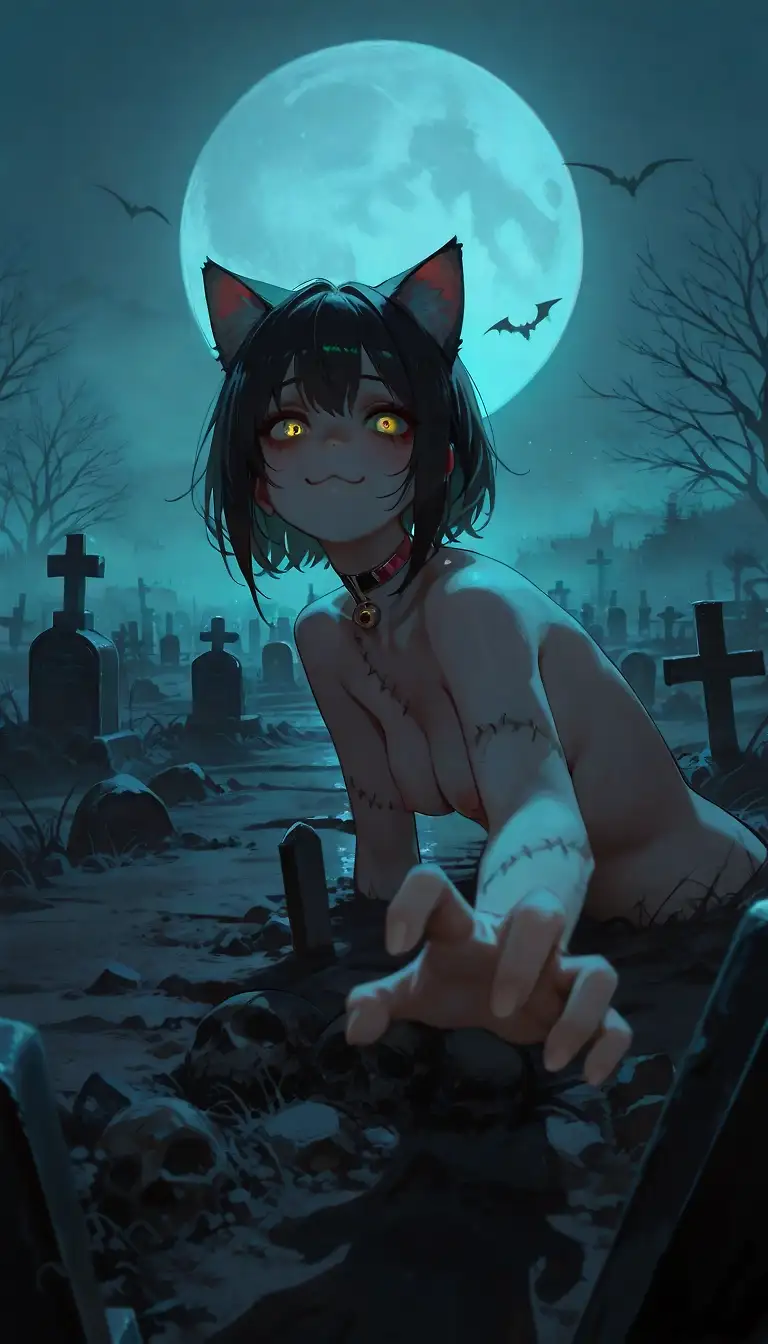
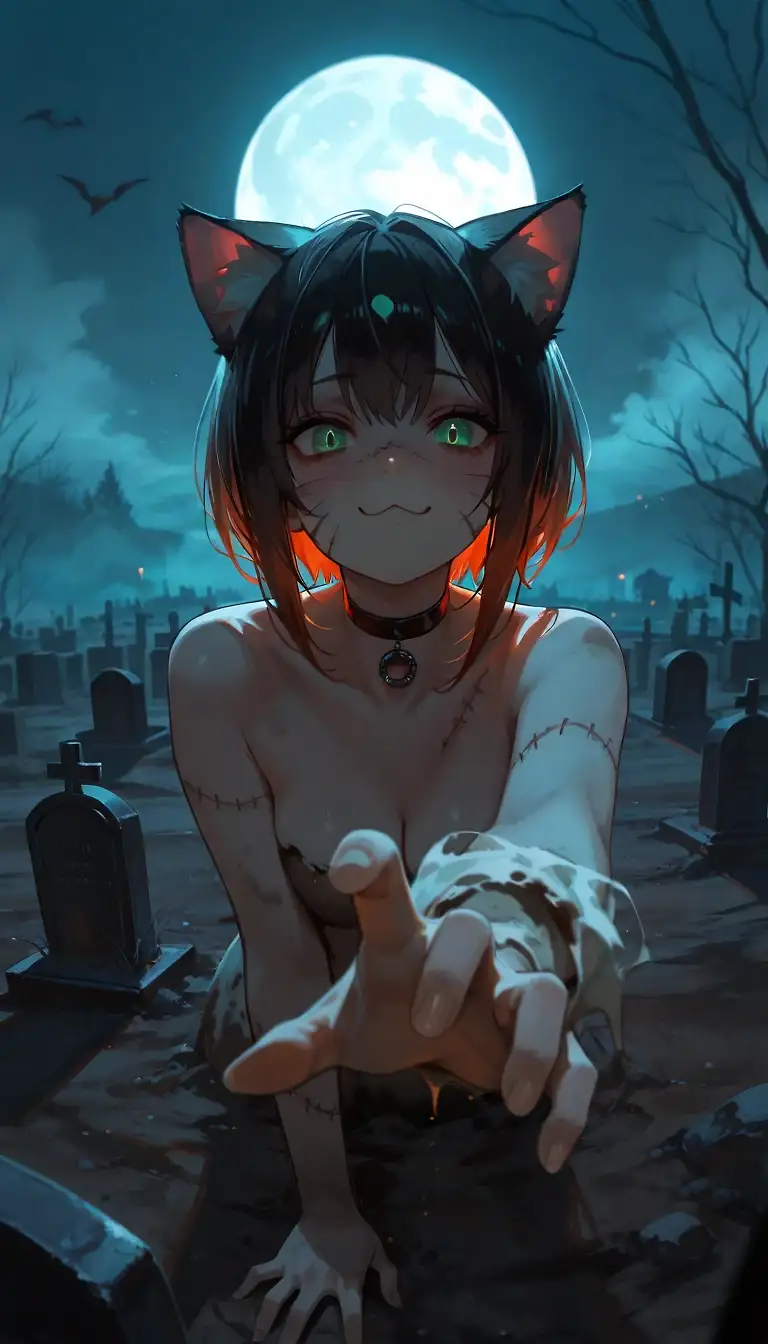
Pale, discolored, dead bodies in varying states of decay. Recently reanimated Zombies may look almost human; older ones are visibly decomposed. Mutants may develop extra limbs, thickened bones, or abnormal muscles. Magical variants sometimes show glowing eyes or dark energy markings.
🧠 Intelligence:
Ordinary Zombies act on instinct, reacting to movement, sounds, and living creatures. Hunters have improved predatory instincts; necromantic Zombies follow commands. Even Zombie Lords lack genuine human personalities: their behavior comes from magical control and artificially preserved patterns.
⚔️ Subspecies:
1. Common Zombie (Level I)
Slow, instinct-driven undead. Weak alone but dangerous in hordes.
2. Plague Zombie (Level II)
Carries supernatural infection transmitted by bites or infected bodily fluids.
3. Hunter Zombie (Level II–III)
Fast and agile, with strong hunting instincts. Climbs obstacles and pursues prey.
4. Mutated Zombie (Level III)
Altered by rare mutations, gaining immense strength, extra limbs, or exceptional toughness.
5. Necromantic Zombie (Level II–IV)
Raised by dark magic. Its strength depends on the necromancer and the rituals performed.
6. Zombie Lord (Level IV)
A powerful necromantic undead capable of commanding weaker Zombies and coordinating attacks through magic.
🧬 Infection and Evolution:
Bites and infectious bodily fluids can spread the plague, but not every exposure causes infection. Symptoms may include fever, bodily deterioration, and death, followed by reanimation.
Zombies normally do not evolve. Rare mutations may arise from unusual pathogens, magic, or prolonged changes to undead tissue. Necromancers can also strengthen existing Zombies or transform them into more powerful variants.
💪 Strengths:
- High pain tolerance
- No fatigue or need for sleep
- Resistance to ordinary poisons
- Dangerous in large hordes
- Infection spread by Plague Zombies
- Rare mutations and magical enhancements
- Great physical strength in some variants
💔 Weaknesses and Destruction:
Methods vary by type. Common and Plague Zombies can often be stopped by destroying the brain. Mutants may require catastrophic bodily damage or complete destruction.
Necromantic Zombies may be defeated by dispelling their magic, destroying their magical anchor, or using purification spells. Fire works against many Zombies; holy magic is especially effective against necromantic ones.
👥 Social Behavior:
Zombies have no true society. Infected individuals gather in hordes because they follow the same stimuli. Necromantic Zombies serve as guards, soldiers, or servants. Zombie Lords control groups magically. Friendship, loyalty, and family bonds do not exist.
❤️ Love and Reproduction:
Zombies feel neither love nor romantic affection, even at their most powerful. Natural reproduction is impossible. New Zombies arise only through infection or necromantic reanimation.
📜 Researcher's Note:
“A lone Zombie is often a minor threat. Its real danger lies beyond teeth and claws: one infected creature can doom an entire settlement.
Rare mutants and undead controlled by powerful necromancers are especially feared. Never assume every Zombie can be destroyed in the same way.”
— Notes of a Bestiary Researcher
Comments (11)
📖 BESTIARIUM – ENTRY 017
🧟 ZOMBIE – THE WALKING DEAD
🧟 Race: Zombie (Undead / Revenant / Plague Creature)
🏛️ Origin:
In this Bestiary, Zombies arise in two ways:
Infection: A supernatural plague infects living beings and may reanimate them after death. It spreads through bites or infected bodily fluids entering wounds or mucous membranes.
Necromancy: Dark magic, curses, or forbidden rituals raise corpses as obedient servants.
Reanimation destroys the original personality.
⚠️ Danger Level: I–IV – Low to very dangerous, depending on type, strength, infection risk, mutation, and necromantic power.
🌿 Habitat:
Graveyards, ruins, devastated cities, battlefields, plague zones, cursed forests, catacombs, and necromantic strongholds. Zombies need no natural habitat; they wander, pursue the living, or guard assigned locations.
🍖 Diet:
Zombies do not require food. Infected Zombies often experience uncontrollable hunger for flesh. Necromantic Zombies are sustained by dark magic and feel no natural hunger.
💀 Appearance:
Pale, discolored, dead bodies in varying states of decay. Recently reanimated Zombies may look almost human; older ones are visibly decomposed. Mutants may develop extra limbs, thickened bones, or abnormal muscles. Magical variants sometimes show glowing eyes or dark energy markings.
🧠 Intelligence:
Ordinary Zombies act on instinct, reacting to movement, sounds, and living creatures. Hunters have improved predatory instincts; necromantic Zombies follow commands. Even Zombie Lords lack genuine human personalities: their behavior comes from magical control and artificially preserved patterns.
⚔️ Subspecies:
1. Common Zombie (Level I)
Slow, instinct-driven undead. Weak alone but dangerous in hordes.
2. Plague Zombie (Level II)
Carries supernatural infection transmitted by bites or infected bodily fluids.
3. Hunter Zombie (Level II–III)
Fast and agile, with strong hunting instincts. Climbs obstacles and pursues prey.
4. Mutated Zombie (Level III)
Altered by rare mutations, gaining immense strength, extra limbs, or exceptional toughness.
5. Necromantic Zombie (Level II–IV)
Raised by dark magic. Its strength depends on the necromancer and the rituals performed.
6. Zombie Lord (Level IV)
A powerful necromantic undead capable of commanding weaker Zombies and coordinating attacks through magic.
🧬 Infection and Evolution:
Bites and infectious bodily fluids can spread the plague, but not every exposure causes infection. Symptoms may include fever, bodily deterioration, and death, followed by reanimation.
Zombies normally do not evolve. Rare mutations may arise from unusual pathogens, magic, or prolonged changes to undead tissue. Necromancers can also strengthen existing Zombies or transform them into more powerful variants.
💪 Strengths:
- High pain tolerance
- No fatigue or need for sleep
- Resistance to ordinary poisons
- Dangerous in large hordes
- Infection spread by Plague Zombies
- Rare mutations and magical enhancements
- Great physical strength in some variants
💔 Weaknesses and Destruction:
Methods vary by type. Common and Plague Zombies can often be stopped by destroying the brain. Mutants may require catastrophic bodily damage or complete destruction.
Necromantic Zombies may be defeated by dispelling their magic, destroying their magical anchor, or using purification spells. Fire works against many Zombies; holy magic is especially effective against necromantic ones.
👥 Social Behavior:
Zombies have no true society. Infected individuals gather in hordes because they follow the same stimuli. Necromantic Zombies serve as guards, soldiers, or servants. Zombie Lords control groups magically. Friendship, loyalty, and family bonds do not exist.
❤️ Love and Reproduction:
Zombies feel neither love nor romantic affection, even at their most powerful. Natural reproduction is impossible. New Zombies arise only through infection or necromantic reanimation.
📜 Researcher's Note:
“A lone Zombie is often a minor threat. Its real danger lies beyond teeth and claws: one infected creature can doom an entire settlement.
Rare mutants and undead controlled by powerful necromancers are especially feared. Never assume every Zombie can be destroyed in the same way.”
— Notes of a Bestiary Researcher
Generation data

More by azariel