Tags


📖 BESTIARIUM – ENTRY 005
🐉 DRAGONS – THE MAJESTIC ANCIENT BEINGS
🐉 Race: Dragons (Draconids / Elemental Beings / Shapeshifters)
🏛️ Origin: Worldwide mythology and folklore, especially Europe and Asia
⚠️ Threat Level: II–V – Depending on species, age, and temperament
🌿 Habitat:
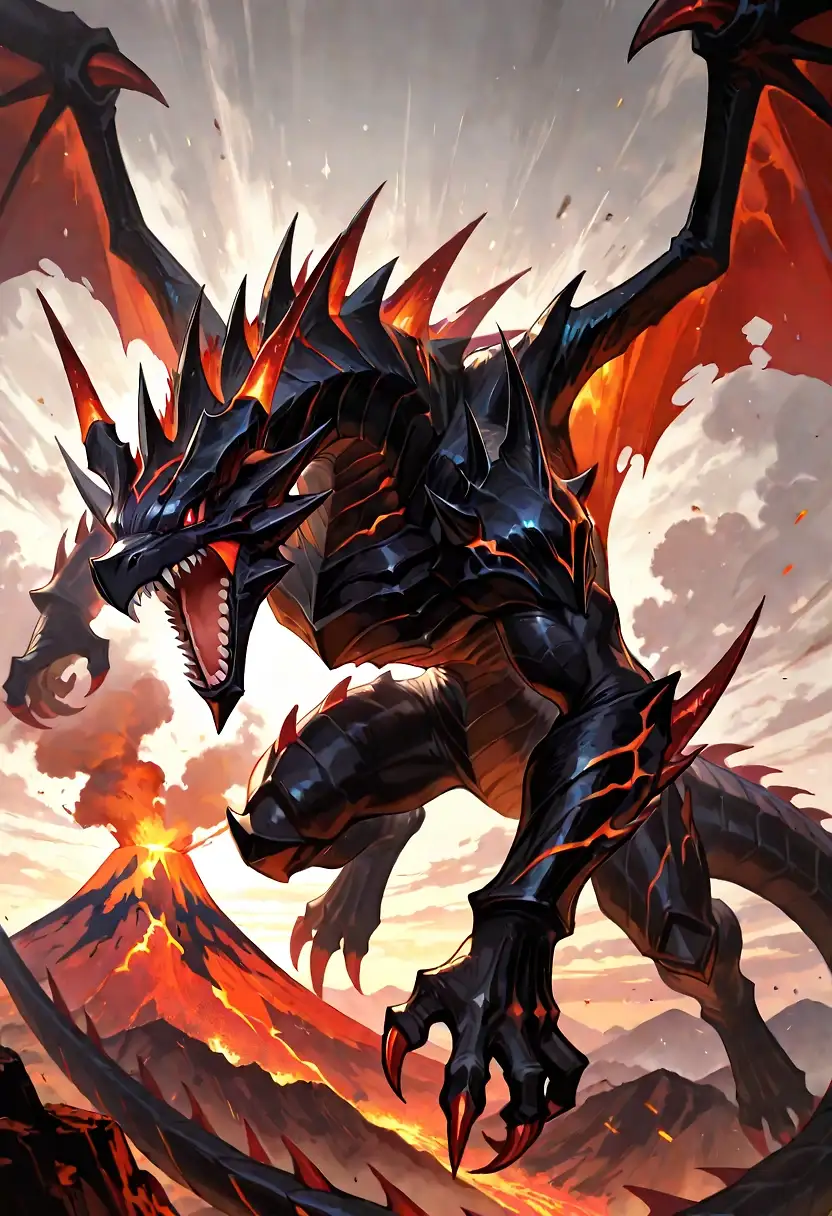
Mountains, volcanic regions, forests, deserts, caves, swamps, oceans, and frozen lands. Fire dragons prefer hot volcanic areas, water dragons inhabit rivers and oceans, while frost dragons thrive in icy regions. Older dragons often control vast territories and ancient nesting grounds.
🍖 Diet:
Mostly carnivorous. Smaller dragons hunt fish, birds, and small animals, while larger ones prey on deer and cattle. Some peaceful species are omnivorous. Ancient dragons may also absorb elemental energy.
⚔️ Strengths:
- Enormous physical strength, sharp claws, powerful jaws, and tails
- Tough scales and highly developed senses
- Elemental breath based on ancestry: fire, ice, water, lightning, poison, and other forces
- Species-dependent abilities such as flying, swimming, diving, or burrowing
- Partial resistance to their own element
- Exceptional longevity and growing knowledge
- Improving intelligence, magic, and self-control with age
- Gradual development of human shapeshifting
🛡️ Weaknesses:
- Vulnerable eyes, joints, and gaps between scales
- High food requirements and need for large territories
- Young dragons possess weaker armor and unstable powers
- Unsuitable environments restrict movement
- Certain opposing elements may be especially dangerous
- Early human transformations consume energy and remain imperfect
- Territorial instincts can make dragons easy to provoke
🐉 Characteristics:
Dragons vary greatly in size, anatomy, and abilities. Not all possess wings. Water dragons may swim and dive exceptionally well but cannot necessarily fly or move efficiently on land. Fire dragons often fly well but may struggle in water.
A dragon's breath depends on its inherited element, which does not change with age.
Young dragons behave mainly through instinct. As they mature, they develop language, strategic thinking, and precise magical control. However, age does not guarantee a peaceful personality. Development rates vary between species.
⏳ Age Stages and Human Transformation:
I – Hatchling (0–20 years):
Curious and instinct-driven. Scales and elemental powers are developing. Human transformation is impossible.
II – Young Dragon (21–100 years):
Hunting skills and elemental control improve. Human transformation remains impossible.
III – Adult Dragon (101–500 years):
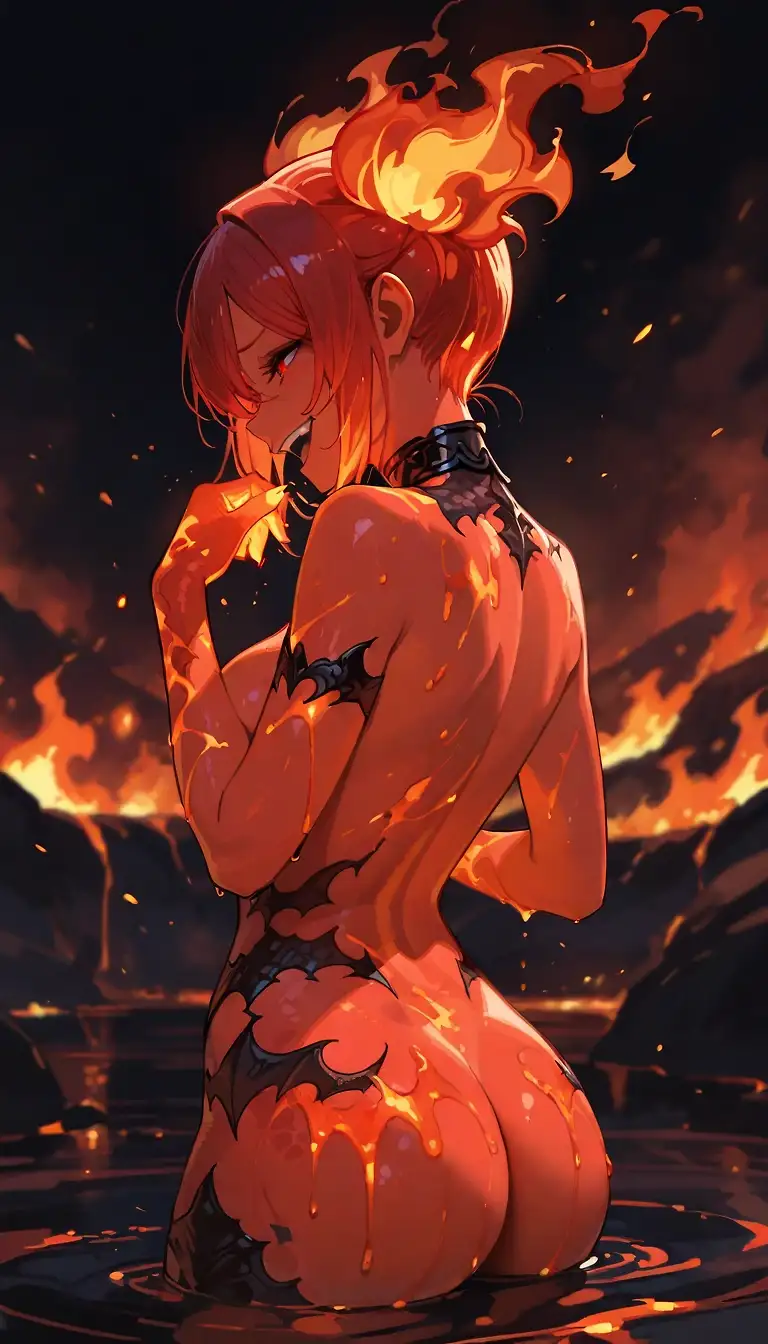
Physically mature and increasingly intelligent. Partial human transformation becomes possible, but horns, scales, tails, or dragon eyes remain visible. Transformation requires significant energy.
IV – Elder Dragon (501–1,000 years):
Experienced, articulate, and magically skilled. Human transformation is nearly perfect, although minor traits or a magical aura may reveal their identity.
V – Ancient Dragon (1,001–5,000 years):
Masters of their abilities. They can appear completely human and maintain their transformation for extended periods.
VI – Primordial Dragon (over 5,000 years):
Legendary and extremely rare. Their human transformation is flawless, and they can even conceal their magical presence.
🎨 Scale Colors and Subspecies:
- Red – Fire: Usually the most aggressive dragons, proud and highly territorial.
- White – Ice or spiritual powers: Often exceptionally peaceful and gentle.
- Blue – Water, storms, or lightning: Abilities depend on their ancestry.
- Green – Forest and nature: Often associated with camouflage and plant magic.
- Black – Shadows, darkness, or poison: Mysterious and solitary.
- Gold – Light and powerful magic: Rare, often wise and patient.
Scale color indicates common tendencies but never completely determines an individual dragon's personality.
👥 Social Behavior:
Many dragons live alone and fiercely defend their territories. Others form lifelong bonds, small families, or peaceful communities.
Some ancient dragons avoid conflict and secretly live among humans. A few even protect human settlements.
⚠️ Encounters:
Keep your distance and never disturb nests or hatchlings. Loud noises and trespassing may be interpreted as threats.
Red dragons often react aggressively, while white dragons tend to be more approachable. However, every dragon is different.
Even a friendly stranger could secretly be an ancient dragon in perfect human form.
Primordial dragons should never be underestimated.
Comments (12)
📖 BESTIARIUM – ENTRY 005
🐉 DRAGONS – THE MAJESTIC ANCIENT BEINGS
🐉 Race: Dragons (Draconids / Elemental Beings / Shapeshifters)
🏛️ Origin: Worldwide mythology and folklore, especially Europe and Asia
⚠️ Threat Level: II–V – Depending on species, age, and temperament
🌿 Habitat:
Mountains, volcanic regions, forests, deserts, caves, swamps, oceans, and frozen lands. Fire dragons prefer hot volcanic areas, water dragons inhabit rivers and oceans, while frost dragons thrive in icy regions. Older dragons often control vast territories and ancient nesting grounds.
🍖 Diet:
Mostly carnivorous. Smaller dragons hunt fish, birds, and small animals, while larger ones prey on deer and cattle. Some peaceful species are omnivorous. Ancient dragons may also absorb elemental energy.
⚔️ Strengths:
- Enormous physical strength, sharp claws, powerful jaws, and tails
- Tough scales and highly developed senses
- Elemental breath based on ancestry: fire, ice, water, lightning, poison, and other forces
- Species-dependent abilities such as flying, swimming, diving, or burrowing
- Partial resistance to their own element
- Exceptional longevity and growing knowledge
- Improving intelligence, magic, and self-control with age
- Gradual development of human shapeshifting
🛡️ Weaknesses:
- Vulnerable eyes, joints, and gaps between scales
- High food requirements and need for large territories
- Young dragons possess weaker armor and unstable powers
- Unsuitable environments restrict movement
- Certain opposing elements may be especially dangerous
- Early human transformations consume energy and remain imperfect
- Territorial instincts can make dragons easy to provoke
🐉 Characteristics:
Dragons vary greatly in size, anatomy, and abilities. Not all possess wings. Water dragons may swim and dive exceptionally well but cannot necessarily fly or move efficiently on land. Fire dragons often fly well but may struggle in water.
A dragon's breath depends on its inherited element, which does not change with age.
Young dragons behave mainly through instinct. As they mature, they develop language, strategic thinking, and precise magical control. However, age does not guarantee a peaceful personality. Development rates vary between species.
⏳ Age Stages and Human Transformation:
I – Hatchling (0–20 years):
Curious and instinct-driven. Scales and elemental powers are developing. Human transformation is impossible.
II – Young Dragon (21–100 years):
Hunting skills and elemental control improve. Human transformation remains impossible.
III – Adult Dragon (101–500 years):
Physically mature and increasingly intelligent. Partial human transformation becomes possible, but horns, scales, tails, or dragon eyes remain visible. Transformation requires significant energy.
IV – Elder Dragon (501–1,000 years):
Experienced, articulate, and magically skilled. Human transformation is nearly perfect, although minor traits or a magical aura may reveal their identity.
V – Ancient Dragon (1,001–5,000 years):
Masters of their abilities. They can appear completely human and maintain their transformation for extended periods.
VI – Primordial Dragon (over 5,000 years):
Legendary and extremely rare. Their human transformation is flawless, and they can even conceal their magical presence.
🎨 Scale Colors and Subspecies:
- Red – Fire: Usually the most aggressive dragons, proud and highly territorial.
- White – Ice or spiritual powers: Often exceptionally peaceful and gentle.
- Blue – Water, storms, or lightning: Abilities depend on their ancestry.
- Green – Forest and nature: Often associated with camouflage and plant magic.
- Black – Shadows, darkness, or poison: Mysterious and solitary.
- Gold – Light and powerful magic: Rare, often wise and patient.
Scale color indicates common tendencies but never completely determines an individual dragon's personality.
👥 Social Behavior:
Many dragons live alone and fiercely defend their territories. Others form lifelong bonds, small families, or peaceful communities.
Some ancient dragons avoid conflict and secretly live among humans. A few even protect human settlements.
⚠️ Encounters:
Keep your distance and never disturb nests or hatchlings. Loud noises and trespassing may be interpreted as threats.
Red dragons often react aggressively, while white dragons tend to be more approachable. However, every dragon is different.
Even a friendly stranger could secretly be an ancient dragon in perfect human form.
Primordial dragons should never be underestimated.
Generation data

More by azariel